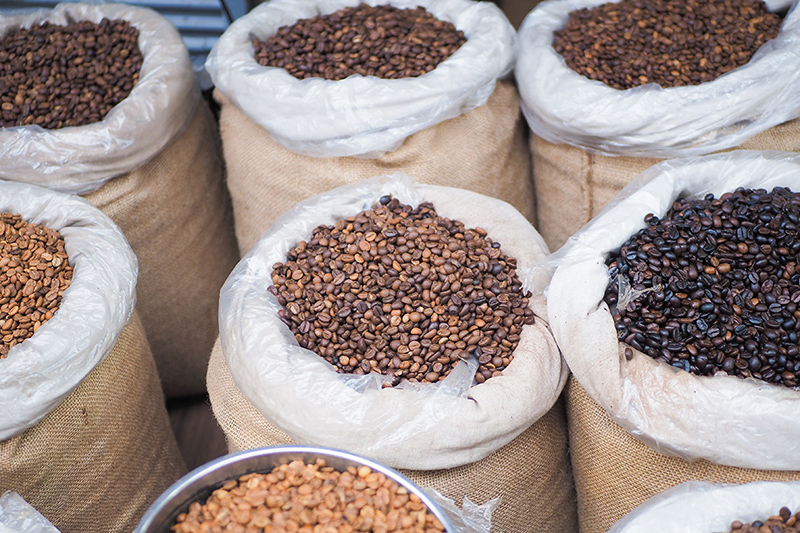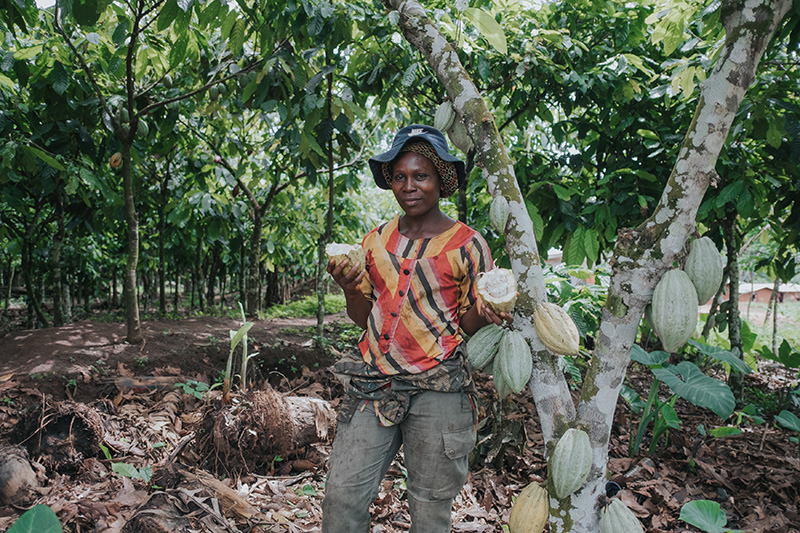



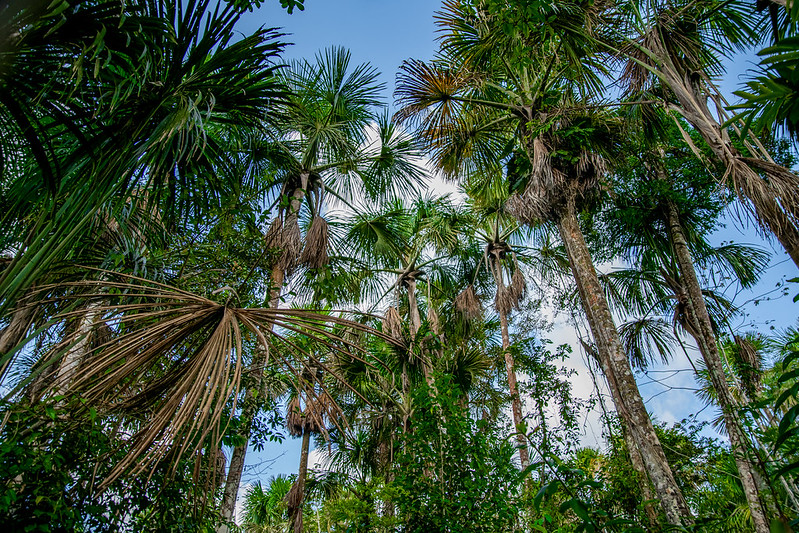
Examines how the National Productive Forests Programme converts degraded land into “productive restoration” by linking seed systems, community nurseries, and sociobiodiversity value chains to rural income.
This programme is significant because it aligns forest restoration with economic development, not just conservation. By integrating smallholders into sociobiodiversity value chains, Brazil is demonstrating a model where ecological recovery supports rural livelihoods. Still, scaling this model faces challenges: ensuring long-term financing, navigating land tenure issues, and guaranteeing that restored production does not inadvertently drive new deforestation pressures elsewhere.
Download the PDF:
 Brazil’s national productive fForests programme: Best practices for smallholder inclusion (English)
- Brazil’s national productive fForests programme: Best practices for smallholder inclusion (French)
- Brazil’s national productive fForests programme: Best practices for smallholder inclusion (Spanish)
- Brazil’s national productive fForests programme: Best practices for smallholder inclusion (Portuguese)
- Brazil’s national productive fForests programme: Best practices for smallholder inclusion (Chinese)